
Decoded
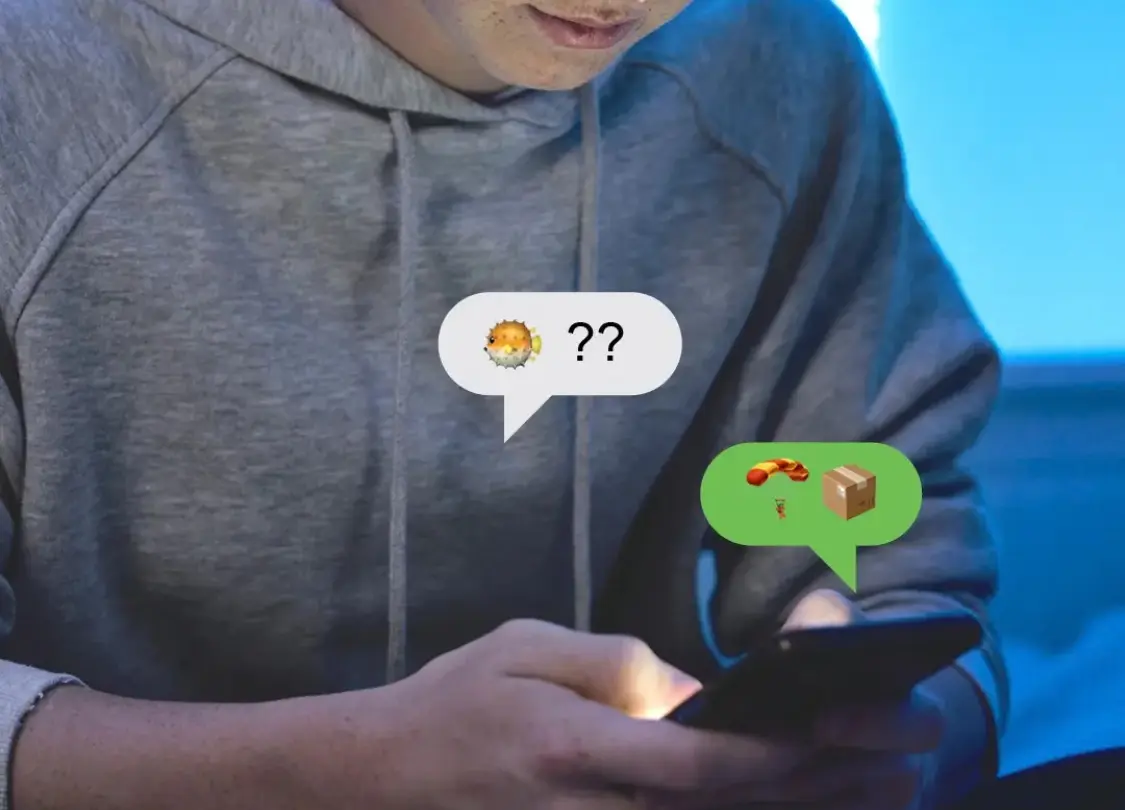
Emojis are the shorthand of an entire generation. To many parents, they are simply harmless symbols—smiley faces, love hearts, mermaids and even a slice of pizza. But for young people navigating online platforms, emojis can hold coded meanings, some of them dark, disturbing, and dangerous.
Used in online chats, comments, and private messages, emojis can be tools for bullying, hate speech, or signals used by predators. While most emoji use is harmless, it’s important for parents to recognise that some symbols are being used to hide risky, harmful or even illegal behaviour.
The online world is now an inescapable part of childhood. With kids needing phones, tablets and laptops for everything from schoolwork to socialising, constant supervision has become close to impossible.
Even the most attentive parents can struggle to keep up with the fast-changing world of digital language—and through no fault of their own, understanding the next generation is never easy.
Below is a guide to the hidden meanings behind some emojis.
Violence and threats
Emojis can be used to symbolise violent intentions or aggression, particularly when paired with specific names or phrases.
Parent tip: If your child is involved in a chat where these emojis appear frequently in negative or targeted ways, especially alongside names or photos, it might be worth investigating. If your child is frequently sending these emojis to a particular person, it may be worth having a conversation about the nature of that relationship and what the messages are intended to convey.
What some young people might mean:
These emojis can symbolise violence, threats, or intent to cause harm. While teens may sometimes use them as a joke, they can also appear in cyberbullying, intimidation, or even genuine threats.
May imply targeting someone or “coming after” them.
While commonly associated with enthusiasm, it can also imply something is about to “go down” or escalate.
Sex and Sexting
Sexual content is often veiled in emojis, allowing explicit messages to fly under the radar of adult supervision.
Warning: These emoji combinations are often used in sexting or grooming attempts. If they appear in messages with older individuals, or accompanied by requests for pictures, it’s a serious red flag.
What some young people might mean:
The peach is one of the most widely recognised substitutes, standing in for a bum or buttocks, and often appears in flirtatious or sexual exchanges.
The eggplant represents a penis, and is probably the best known of the sexual emoji substitutions.
The taco is used to refer to the vagina, usually in the same kinds of messages as the two above.
Water droplets are used to suggest ejaculation or sexual arousal, and frequently appear alongside other emojis from this list.
Water droplets are used to suggest ejaculation or sexual arousal, and frequently appear alongside other emojis from this list.
Sometimes a combination of these emojis or similar emojis are used to imply sexual activity
The cucumber and banana serve the same purpose as the eggplant, and are often used when a young person suspects the more obvious symbol is being monitored.
Camera and fire together suggest explicit photos, either an offer to send them or a request to receive them.
Bullying and Harrassment
Emojis can be used to humiliate or isolate others in group chats or social media.
Parent tip: Cyberbullying rarely starts with words alone—targeted clusters of emojis can be just as harmful. If your child seems withdrawn or upset, and you notice these types of emojis in their social media comment sections or messages, it may be a sign they’re experiencing social issues or being targeted online.
What some young people might mean:
These emojis can be used to mock someone’s looks or behaviour.
May signal a plan to exclude or target someone: e.g., “Don’t talk to them” or “Watch out for them.”
These emojis can be used to mock someone’s embarrassment, suggest they’re being socially excluded, or imply a ‘social death’ in a group setting.
Drugs and Substance Abuse
Young people often use emojis to reference drugs in a way that seems harmless to outsiders.
Note: These emojis can also be seen in Snapchat or Instagram stories advertising drugs for sale.
What some young people and dealers might mean:
Leaf and plant emojis are the most common shorthand for marijuana, with the cigarette often added to indicate it’s being smoked.
The pill, hospital and health worker emojis point to prescription medication being used or sold outside a prescription.
Grapes, purple hearts and the baby bottle refer to codeine-based cough syrup, drawing on its colour and the way it’s mixed into soft drink.
Sweets, the cross, the pill and the heart are used for MDMA, reflecting the shapes and stamps pressed into tablets.
The mushroom stands for magic mushrooms, and is one of the few symbols that means more or less what it depicts.
The plug, the house and pill, the phone and the parachute with a package all refer to a dealer or supply source, with “plug” the common slang.
Fire paired with a cigarette indicates smoking drugs, usually cannabis.
The pufferfish, diamond, eight ball and snowflake are all used for cocaine, referencing its appearance and the quantities it’s sold in.
Extremism
Hate and extremist ideologies can sometimes use coded emojis to avoid detection on mainstream platforms.
Red flag: These emojis often accompany misogynistic or violent rants in forums or private group chats. They may be signs that your child is being exposed to radicalising content.
What some young people or extremist groups might mean:
Red/black squares are sometimes used to signal far-right or fascist alignment.
The Statue of Liberty and hedgehog can be used by neo-Nazi groups
The “ok” symbol is often associated with alt-right or extremist views.
Can mock “woke” culture or suggest someone is brainwashed.
These emojis are commonly associated with the “manosphere” and incel groups.
Mental Health
Emojis can be a discreet way for teens to communicate distress or ask for help – often overlooked by adults.
Parent tip: Sometimes these emojis and combinations of these emojis are buried in a post or caption that seems vague, for example, “It’s just too much today  .”
What some young people might mean:
Used together, these may indicate self-harm ideation or a cry for help.
The wilted rose, broken heart and weary face convey emotional pain, heartbreak or despair.
Rain and fog are used as metaphors for depression or a sense of hopelessness that won’t lift.
Sometimes used to signify a desire to ‘sleep forever’ or suicidal ideation.
The hole represents wanting to disappear or withdraw from everything.
The plate crossed out can point to disordered eating or food restriction.
What Parents Can Do
- Start conversations early. Talk to your child about digital communication, and that it’s safe to come to you if anything feels wrong.
- Know the platforms. Understand how Snapchat, TikTok, Discord, and Instagram work, especially private chats and disappearing messages. Having a clear understanding of the platforms your child uses is key to supporting their safety online.
- Watch for shifts. A sudden change in emoji use, mood, or secrecy may signal something deeper.
- Use tech wisely. Parental controls and activity reports can help, but conversations matter more.
- Report and support. If something concerning appears, document it and report it to the platform or police. Support services are available for children experiencing bullying, grooming, or mental health challenges.
Emojis are not inherently dangerous, but the way they’re used can be. By staying alert to these coded meanings and maintaining open communication, parents can help their children navigate the digital world safely.
Let's Keep Victoria Safe Together.
If you have information about a crime or suspicious activity, you can report it anonymously to Crime Stoppers online reporting platform or call 1800 333 000.