
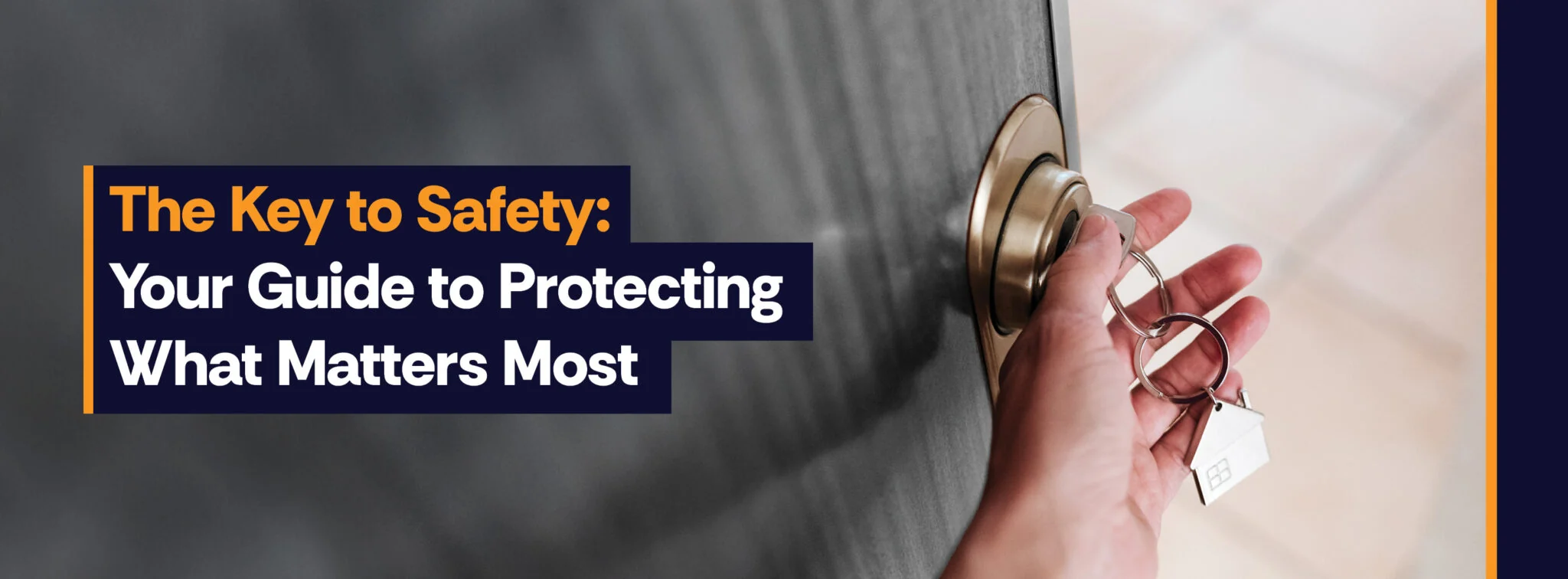
Picture this: It’s late at night. A soft glow warms your living room. You’re relaxed, comforted by the thought that your home is safe. But how secure is it, really?
With aggravated burglaries in Victoria at record highs—up 26.8% in the past year—it’s more important than ever to take action.
While most break-ins occur without face-to-face confrontation, the emotional toll of knowing someone has been in your space can have lasting effects.
Step 1: Lock Down the Basics
Most break-ins happen when it’s easy. Let’s make it hard.
- Lock Up: Make sure to lock all doors and windows even when you are at home.
- Smart locks: Upgrade to locks you can control from your phone. Never worry about forgetting to lock up again.
- Window security: Apply shatter-resistant film and always secure windows, especially when you’re away or asleep.
- Visible deterrents: Install cameras with motion sensors and night vision. Even better—place signs warning of security systems.
- Secure internal garage doors: Always lock the door between your garage and the main house—it’s a common and often overlooked access point.
- Check doggy doors: Doggy doors may seem harmless, but offenders have been known to use them to gain quiet entry into homes.
Pro Tip: A locked door is often enough. In fact, 14.1% of home burglary attempts fail simply because the house was secure.
Step 2: Light It Up
Burglars prefer the dark. Don’t give them shadows to hide in.
- Motion-activated lights around driveways, entrances, and backyards can startle and deter.
- Smart lighting systems can mimic your daily routine by turning lights on and off while you’re away.
Pro Tip: A well-lit home is a well-defended one. Make sure your entry points are visible from the street.
Step 3: Protect What's Priceless
Your valuables are more than objects—they hold memories and meaning.
- Use hidden storage like disguised safes or book compartments.
- Document valuables: Take photos, record serial numbers, and engrave electronics to make them traceable.
- Get a safe: Choose one that’s fireproof, waterproof, and bolted down for added security.
Pro Tip: You’re not just securing items—you’re preserving your peace of mind.
Step 4. Outsmart Opportunists
Don’t let anyone know when you’re away—unless you trust them.
- Use smart plugs or timers to keep up the appearance that someone’s home—lights, radios, even the TV.
- Ask a trusted neighbour to collect your mail, take your bins out, or park in your driveway while you’re gone.
- Avoid sharing travel plans or holiday pics online until you’re back.
Pro Tip: What you post can say more than you mean. Silence is protection.
Step 5. Your Nightly Security Routine
Consistency is the key to safety. Every night, do a quick check:
- Lock every door and window.
- Activate your alarm and security cameras.
- Store valuables out of sight.
- Ensure outside lights are working.
- Check the garage, sheds, and side gates.
Sleep better knowing your home is locked, lit, and looked after.
Why It Matters
Home should be your safest place—but making it secure takes intention.
That’s why The Key to Safety campaign is here: to give Victorians practical tools to protect themselves and their homes.
Together, we can reduce risk and increase peace of mind.